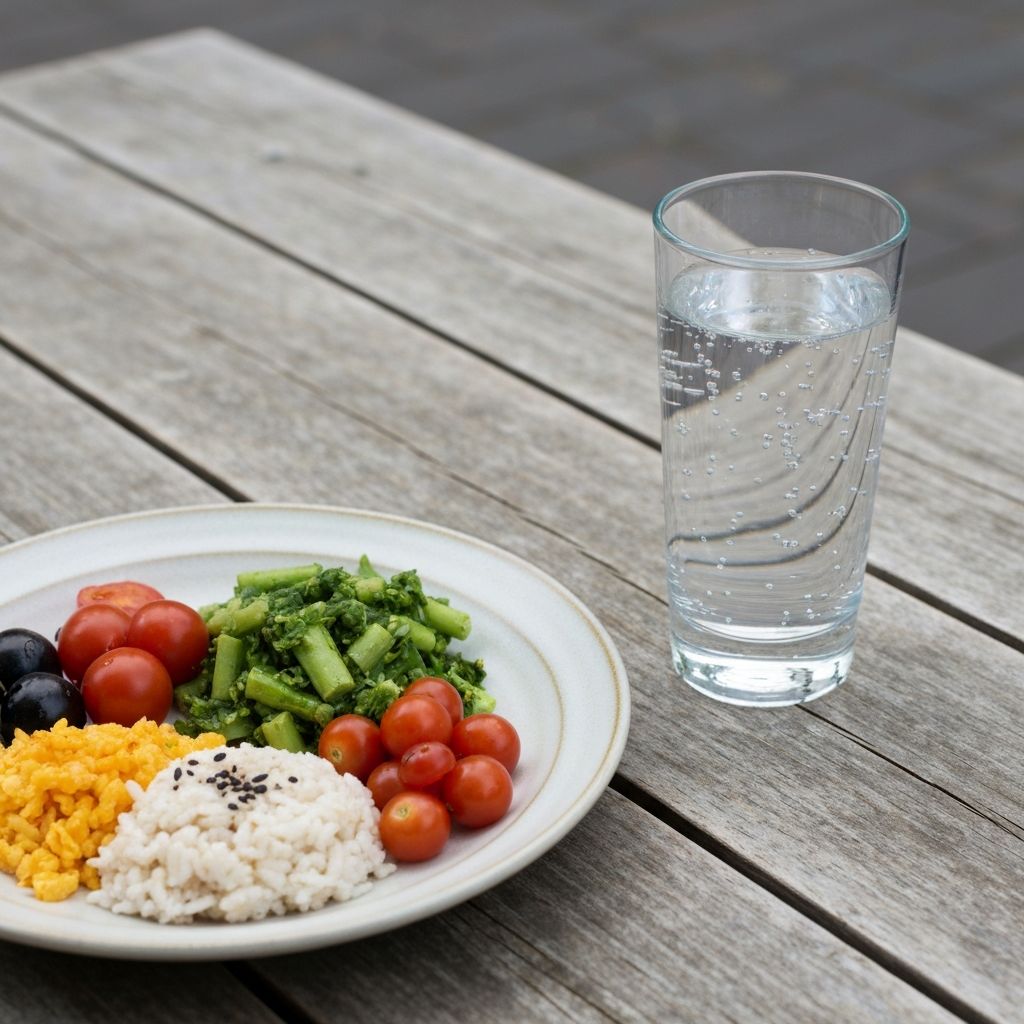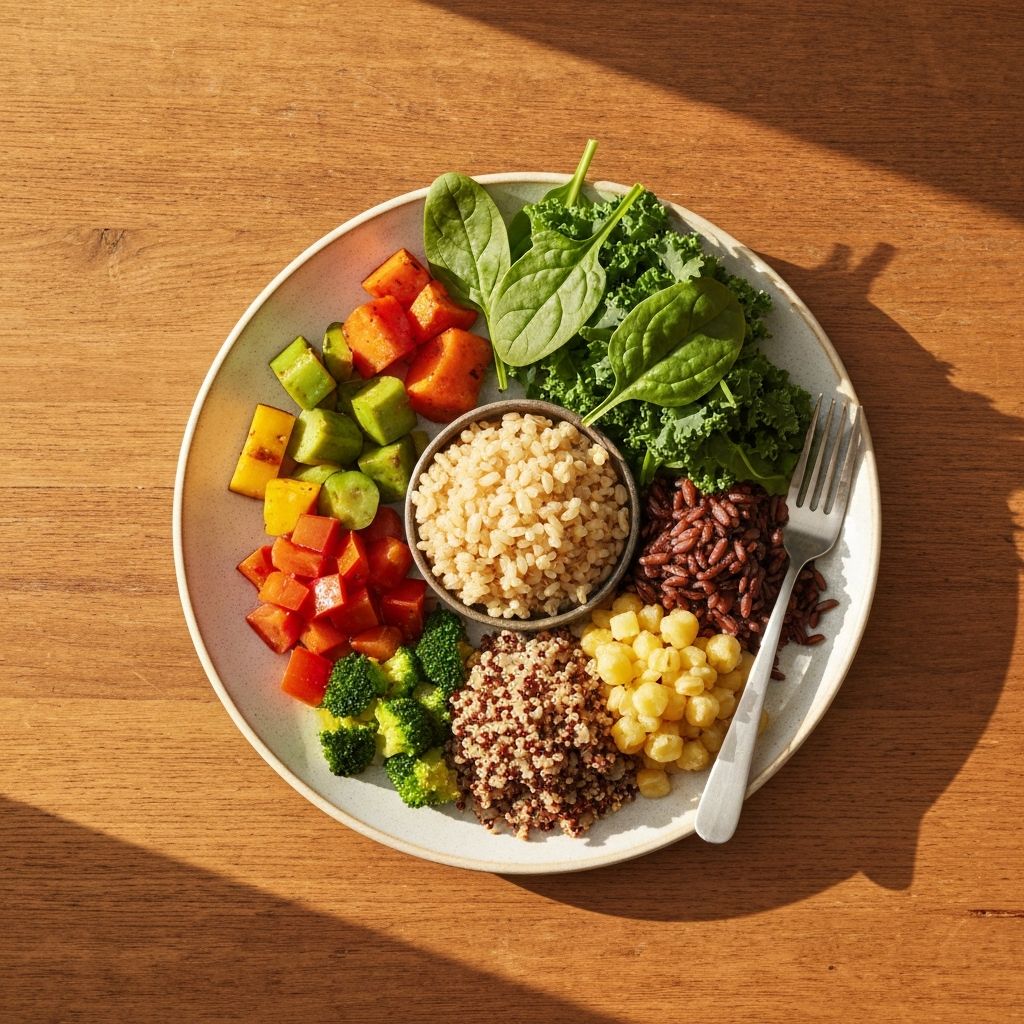
Plate and Energy Balance Context
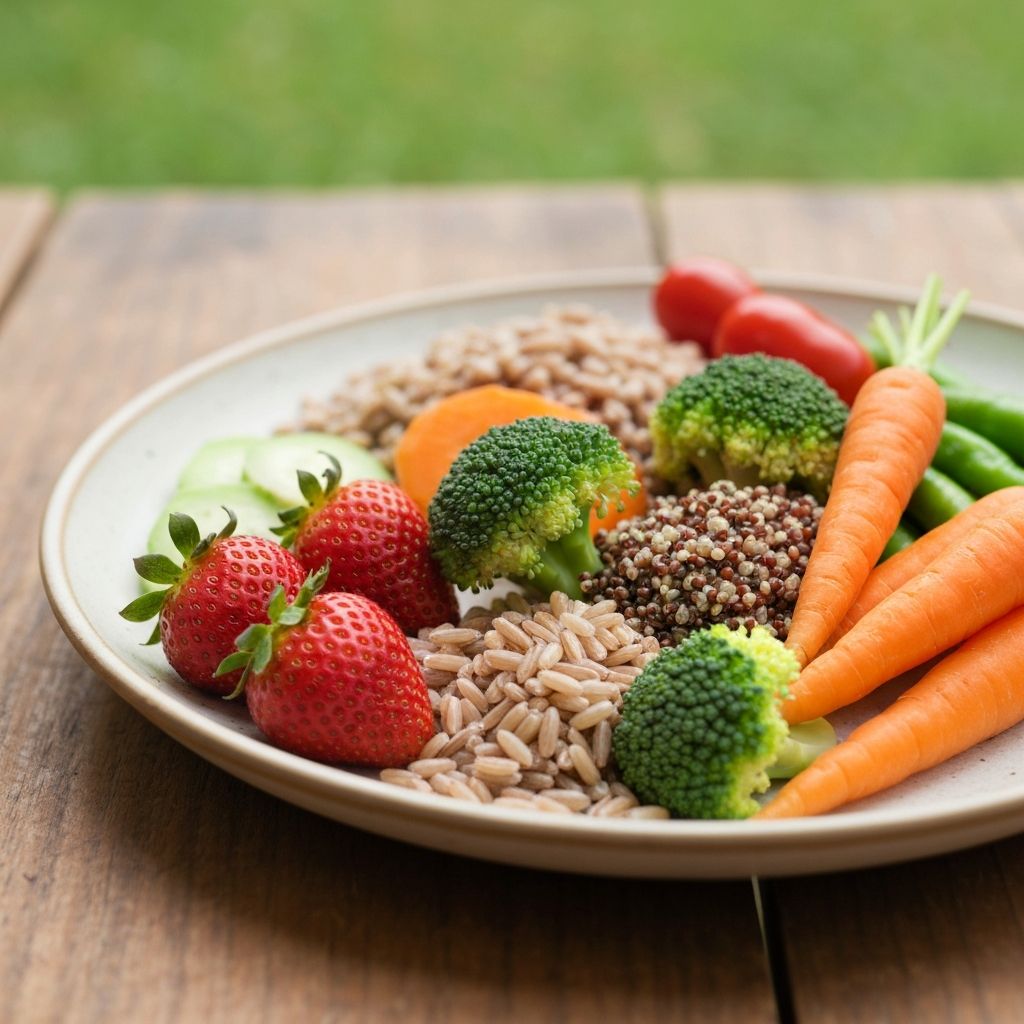
The composition of food on a plate represents more than visual arrangement. From a nutritional science perspective, the types and quantities of foods consumed directly influence the body's energy intake and subsequent metabolic processes.
Energy balance refers to the relationship between energy consumed through food and beverages and energy expended through basal metabolism, physical activity, and thermogenesis. When intake consistently exceeds expenditure, the surplus energy is stored, primarily as adipose tissue, leading to increased body weight over time.
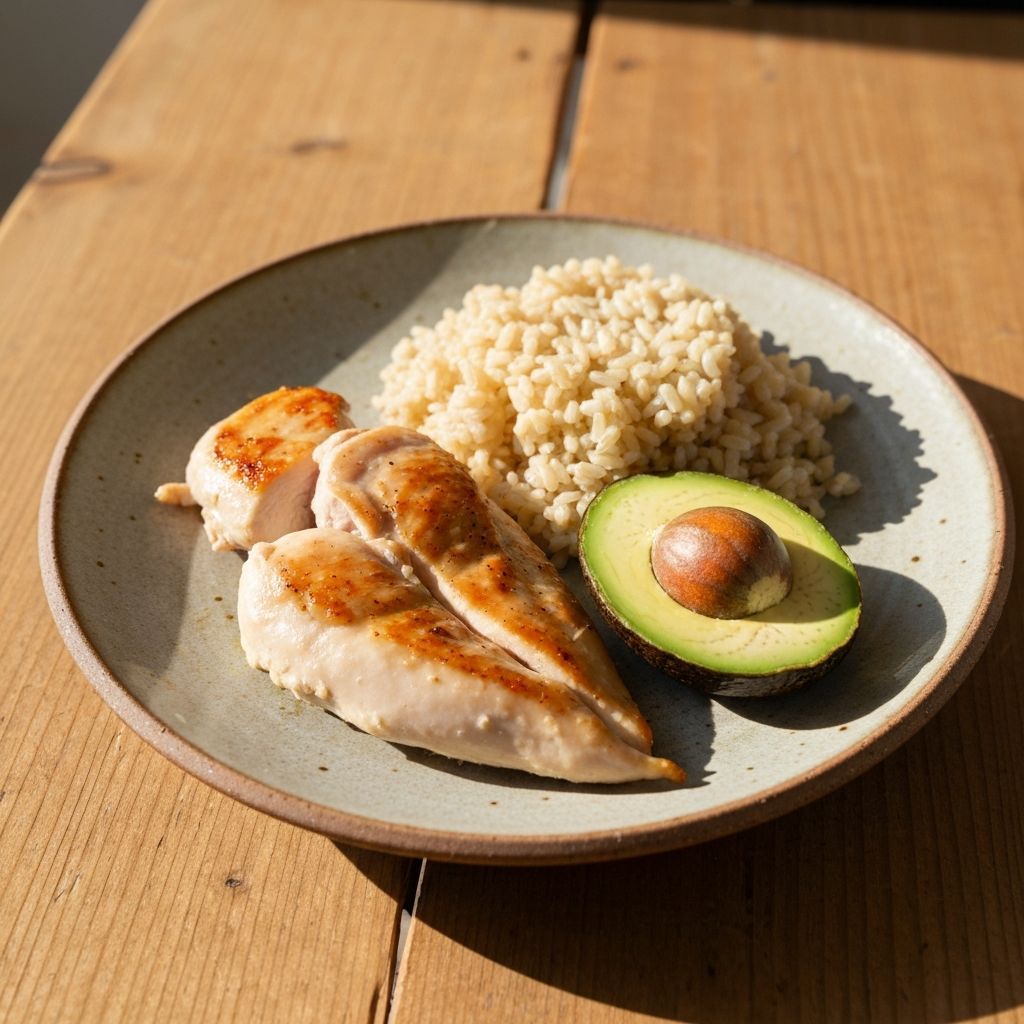
The plate serves as a practical unit for examining this relationship. Different food groups contribute varying amounts of energy per gram, with fats providing approximately 9 kilocalories per gram, while carbohydrates and proteins provide approximately 4 kilocalories per gram. The visual representation of these foods on a plate can help illustrate these differences in energy density.
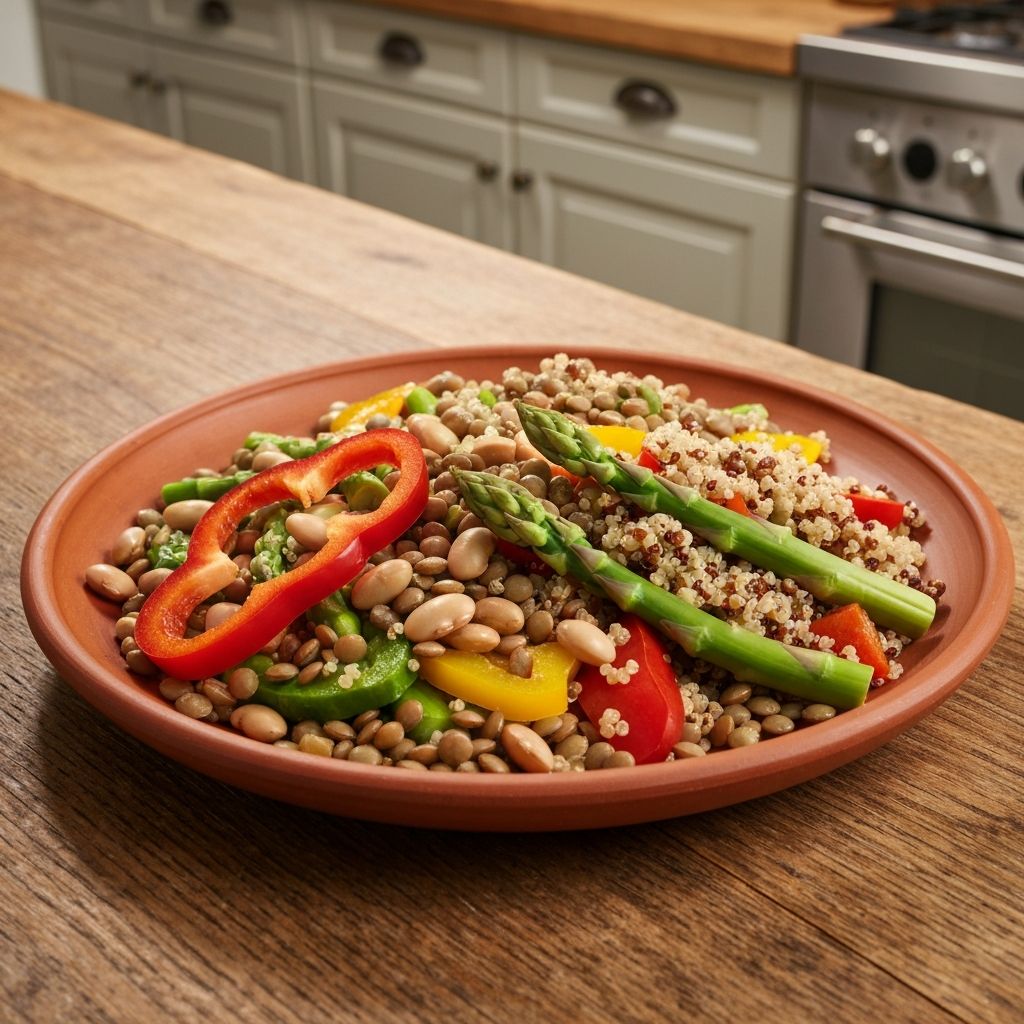
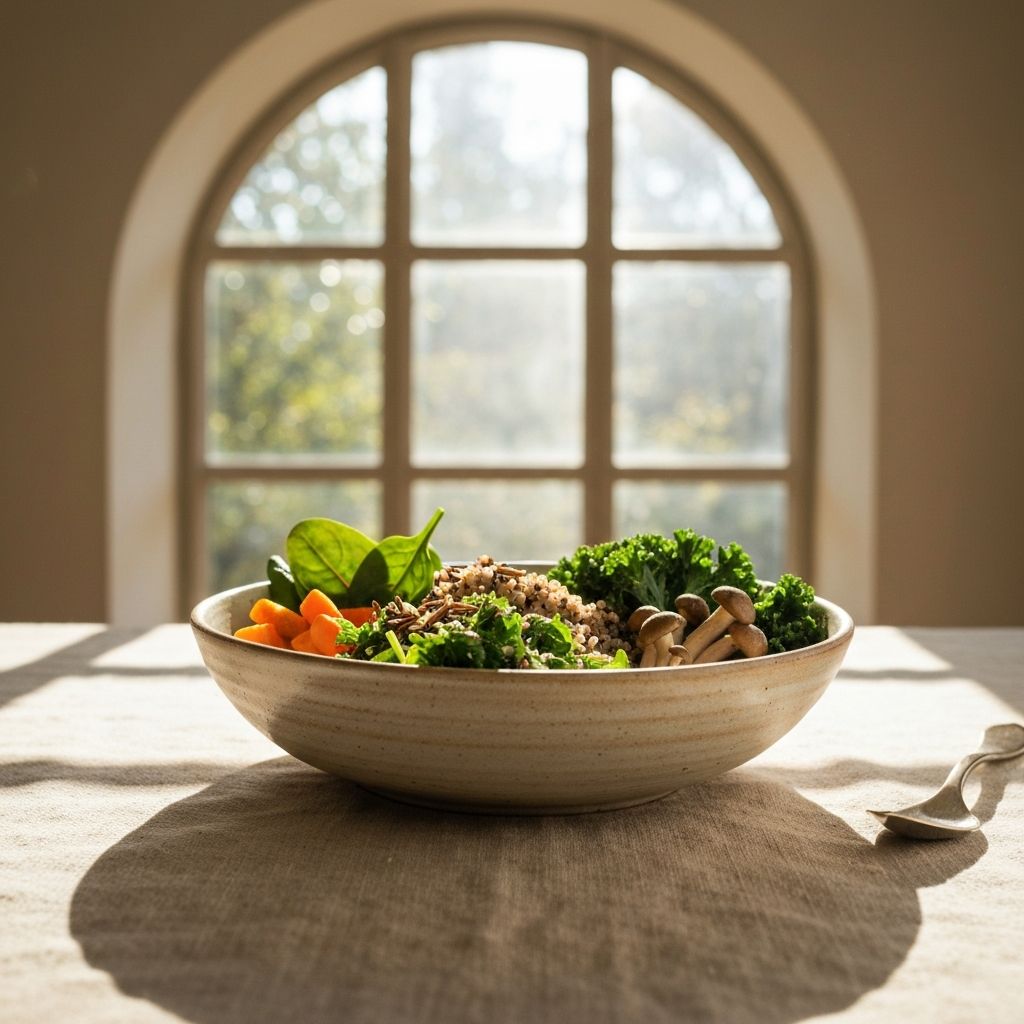
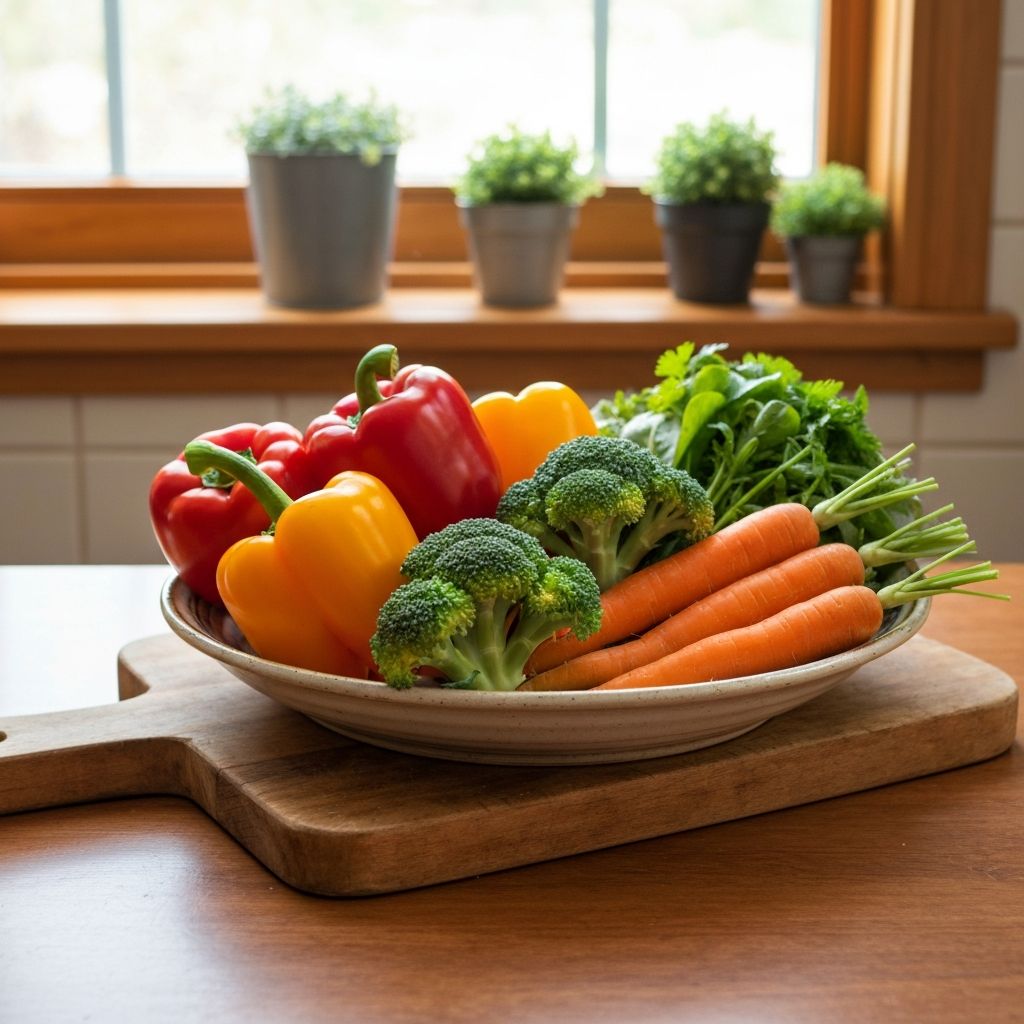
Research in nutritional epidemiology has examined how meal composition affects satiety, hunger signals, and subsequent food intake. The presence of fiber-rich vegetables, for instance, may influence feelings of fullness due to their volume and lower energy density, while energy-dense foods occupy less plate space for equivalent caloric content.